Condo or house? If you are looking in Arvada, this choice shapes your budget, your weekends, and your long‑term plans. You want the right mix of cost, space, and low stress, without surprises after you close. In this guide, you will learn how monthly costs compare, what maintenance really looks like, how financing rules can affect resale, and what to check before you write an offer. Let’s dive in.
What it costs each month in Arvada
Arvada’s typical home values sit in the mid 500s to low 600s depending on the source and month. Smaller units, like many condos and some townhomes, often start much lower. One recent snapshot placed many 1‑bed options near the low 300s. Your numbers will vary by neighborhood, building age, and finishes.
To compare apples to apples, look at five line items: mortgage principal and interest, property taxes, insurance, HOA dues if any, and a maintenance allowance. For rate context, the 30‑year fixed benchmark recently hovered near 5.98 percent based on the Freddie Mac weekly survey. You can check the latest average on the Freddie Mac Primary Mortgage Market Survey anytime for planning purposes.
Using that sample rate and recent price benchmarks, here are simple examples to illustrate the math:
Single‑family home example price: 615,000
- Principal and interest at 5.98 percent: about 3,678 per month
- Property tax using a 0.68 percent effective rate: about 349 per month. Rates vary by parcel and mill levies, so confirm with the Jefferson County Assessor’s guidance on assessed values and local levies.
- Homeowner insurance estimate: about 148 per month. Pricing depends on coverage and home specifics.
- Estimated monthly total: about 4,175 per month
Condo or small townhome example price: 324,500
- Principal and interest at 5.98 percent: about 1,941 per month
- Property tax using the same 0.68 percent estimate: about 184 per month
- Condo HO‑6 insurance estimate: about 44 per month. National and Denver‑area averages suggest HO‑6 policies often cost less than full homeowner policies. For context, see Bankrate’s review of homeowners insurance costs and ask for local quotes.
- HOA dues example: 200 per month. In Arvada, dues can range widely based on amenities and what the HOA covers.
- Estimated monthly total: about 2,370 per month
These are illustrations, not quotes. Utilities, special assessments, and yard costs can shift the final total. Always plug in your lender’s rate, the property’s tax details, and real insurance and HOA figures before making a decision.
How to personalize the math
- Get a lender quote and a written fee worksheet that reflects your credit, down payment, and loan type. The Freddie Mac PMMS is helpful for broad rate context.
- Verify property taxes by parcel using Jefferson County resources and your title company’s tax estimate.
- Request two to three insurance quotes. Ask for apples‑to‑apples coverage limits and deductibles. Bankrate’s overview can help you frame the questions.
- For condos and townhomes, read the HOA documents to see what your dues include and whether any special assessments are planned.
Maintenance and time trade‑offs
Single‑family homes put most exterior tasks on you. Roof, siding, paint, sprinkler systems, yard care, and snow removal are your call and your cost. Many owner guides suggest budgeting 1 to 4 percent of a home’s value per year for maintenance and repairs. Some years you will spend little, and other years you may replace a roof or sewer line.
Condos and many townhomes shift a lot of that work to the association. Typical HOA coverage can include exterior maintenance, common‑area care, landscaping, snow removal, and a master building insurance policy. You will likely spend less time on upkeep, but you share risk with other owners. Dues can rise, and special assessments can occur if reserves are low or big projects come due. Reading the reserve study, budgets, and recent meeting minutes is essential.
Space, privacy, and lifestyle
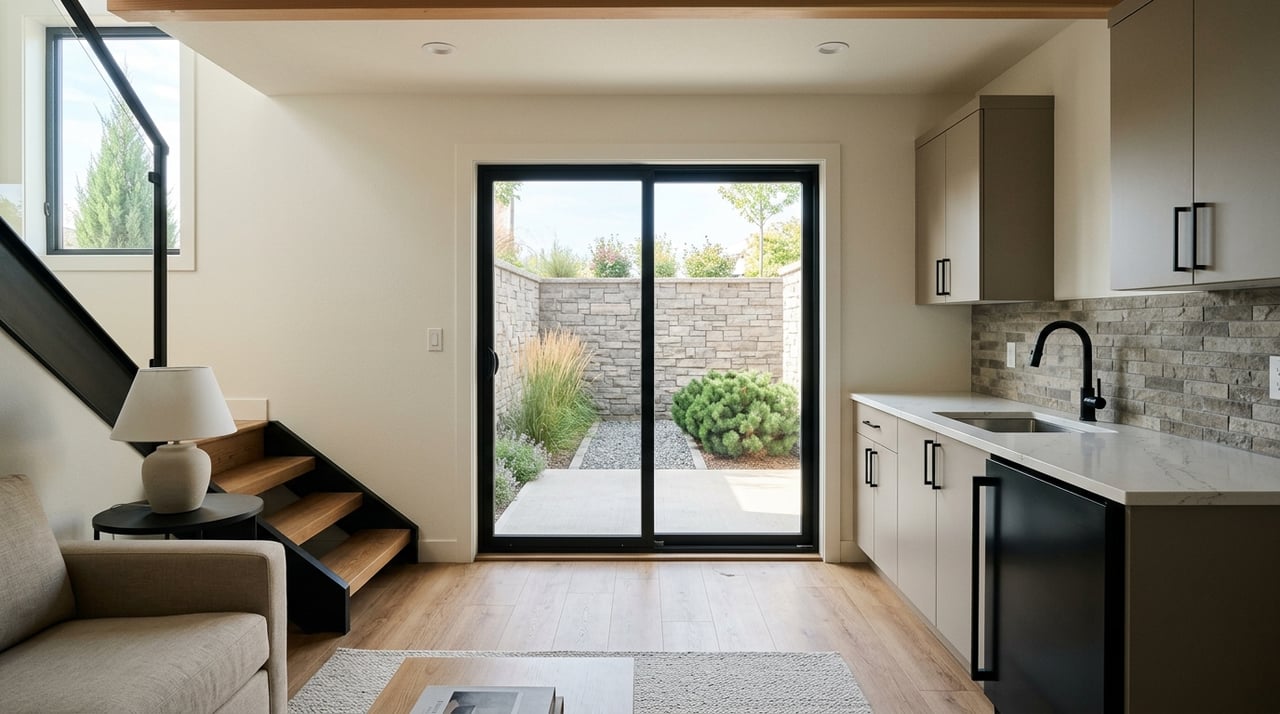
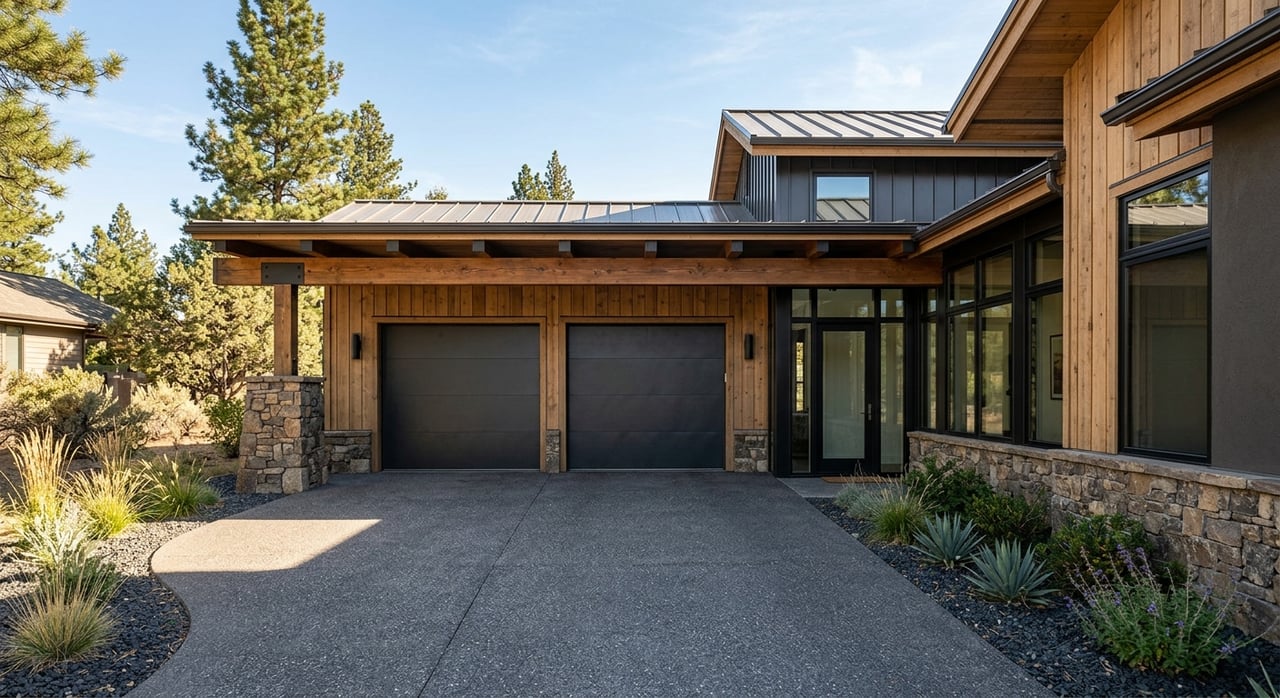
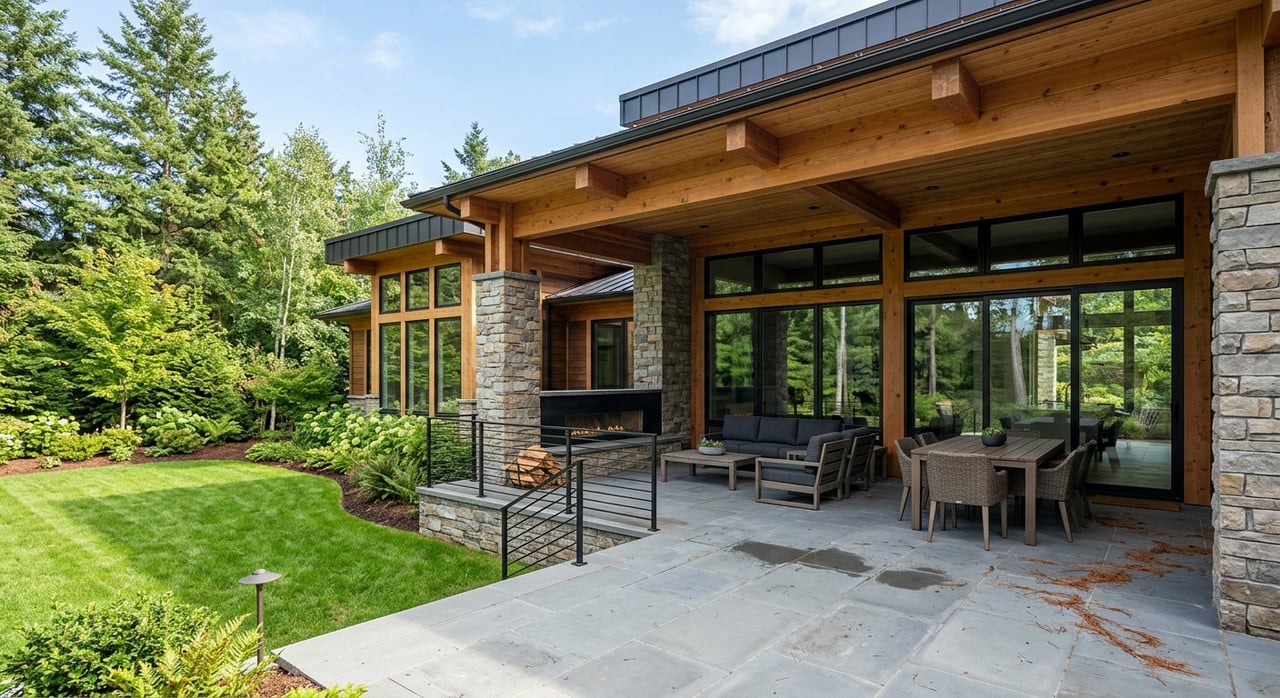
If you want a private yard, more storage, and greater control over your property, a detached home will feel right. You can garden, host in the backyard, and often enjoy a larger garage. If the lot and zoning allow it, some owners explore additions or accessory structures.
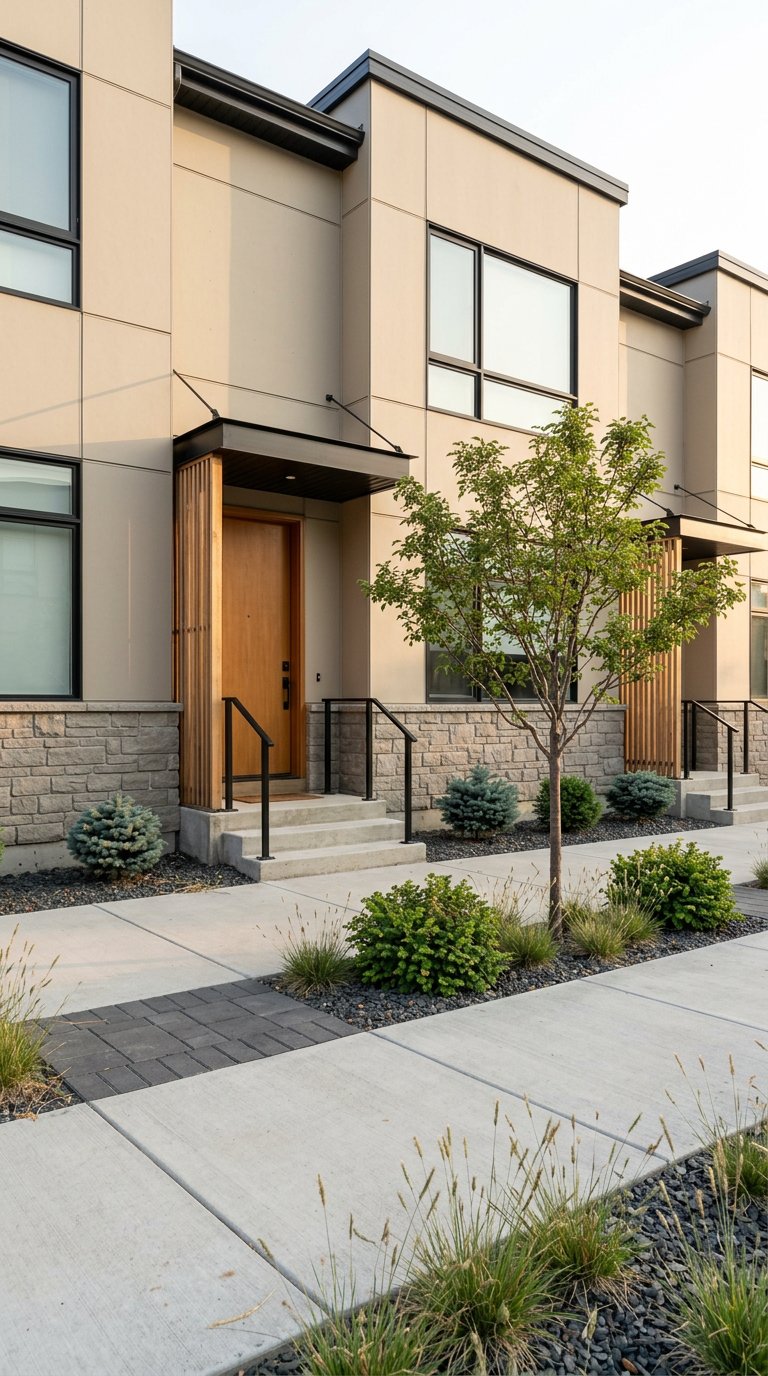
If you prefer low‑maintenance living and being close to coffee, dining, and transit, a condo or townhome near Olde Town can be a great fit. The Olde Town Arvada area anchors RTD’s G Line commuter rail and has guided transit‑oriented development, which is why you will find more attached options nearby. The City’s Transit Station Framework Plan outlines how these areas have evolved and what that means for walkability and services.
Financing and resale factors for condos
Financing can be more complex for condos than for single‑family homes because lenders underwrite both the borrower and the condominium project. This affects your loan options and, later, your resale timeline and price.
- FHA and VA: Many buyers use FHA or VA loans, but the condo project often needs to meet program rules. You can search FHA’s condo resources to understand approval paths, including Single‑Unit Approvals in limited cases. VA has its own criteria.
- Conventional loans: Lenders review project reserves, owner‑occupancy levels, dues delinquencies, and litigation. Tools like Freddie Mac’s Condo Project Advisor help lenders evaluate eligibility. If a project is considered non‑warrantable, the buyer pool can narrow, which may affect days on market and pricing.
For single‑family homes, you generally avoid project‑level reviews. The buyer pool often spans cash, conventional, and government‑backed loans, which can support broader demand across price points.
Buyer checklists
If you are considering a condo or townhome
- Review HOA financials: current budget, recent reserve study, and percent funded.
- Read meeting minutes for the last 12 to 24 months. Look for planned projects, special assessments, or disputes.
- Clarify insurance coverage. Understand what the master policy covers and what you must insure with an HO‑6.
- Confirm owner‑occupancy rates, rental limits, parking, storage, and pet rules in the CC&Rs.
- Check delinquency rates on dues and whether any lenders have flagged the project.
- Ask your lender to pre‑check FHA, VA, and conventional warrantability early so you know which loans will work.
If you are considering a single‑family home
- Walk the exterior with a careful eye: roof age, paint, siding, grading, gutters, driveway, and fencing.
- Plan for Colorado winters. Ask about snow removal responsibilities and sprinkler winterization.
- Request records for big‑ticket items: sewer scope, HVAC age and service, roof repairs, and any structural work.
- If there is a neighborhood HOA, request the same documents you would for a condo.
Financing and insurance for both
- Confirm which loan programs the specific property qualifies for. If it is a condo, ask your lender to verify project eligibility at the start. Review FHA’s condominium resources and your lender’s guidance.
- Compare insurance quotes side by side. Homeowner policies and HO‑6 policies differ in scope and price. Bankrate’s overview is a useful primer while you gather local quotes.
- Track interest rates using the Freddie Mac PMMS and lock when your lender advises based on your timeline.
Which is right for you?
Choose a condo or townhome if you value low‑maintenance living, want to be close to transit and local spots, and prefer a lower monthly outlay based on the example math above. Just be sure to study the HOA’s financial health and project eligibility with your lender.
Choose a single‑family home if you want more space, a private yard, and full control over your property. Expect higher upkeep and occasional big projects, and budget accordingly. The broader buyer pool and simpler financing framework can be helpful when you go to sell.
Not sure which path fits you best? A quick side‑by‑side using your real rate, exact taxes, and actual HOA and insurance quotes will make the answer clear.
Local next steps with a trusted guide
You do not have to sort this out alone. With a background in banking and more than a decade of Denver‑area real estate experience, Johnny Lee brings clear financing strategy, local insight, and a calm, client‑first approach. Whether you lean condo near Olde Town or a single‑family home with a yard, you will get a tailored plan, careful review of HOA and inspection documents, and step‑by‑step support from search through closing.
FAQs
What is the monthly cost difference between condos and houses in Arvada?
- In the examples above, a representative condo totaled about 2,370 per month while a representative single‑family totaled about 4,175 per month at the same sample rate. Your numbers will change with price, taxes, HOA dues, and insurance.
How do HOA dues affect affordability on Arvada condos?
- Dues can be modest or several hundred dollars per month depending on amenities and what is covered. They often replace some exterior maintenance costs, but you must review the budget and reserves to gauge the risk of future increases or special assessments.
Can I use FHA or VA financing to buy a condo in Arvada?
- Often yes, but the condominium project must meet program rules. Check FHA’s condo resources or ask your lender about Single‑Unit Approval and other pathways. Early verification helps avoid surprises.
How are property taxes calculated in Jefferson County, Colorado?
- Your bill depends on assessed value, the state assessment rate, and local mill levies for your parcel. The Jefferson County Assessor explains how assessed values work and where to find parcel‑level details.
What does a condo HOA master policy usually cover?
- Many master policies cover the building’s structure and common areas. You still need an HO‑6 policy for interior finishes and personal property. Ask the HOA and your insurer to align coverages so there are no gaps.
Is a condo near Olde Town Arvada better for transit access?
- Yes, the Olde Town area anchors RTD’s G Line and has been a focus for transit‑oriented development, which supports walkability and services. The City’s Transit Station Framework Plan outlines how these areas function and grow.