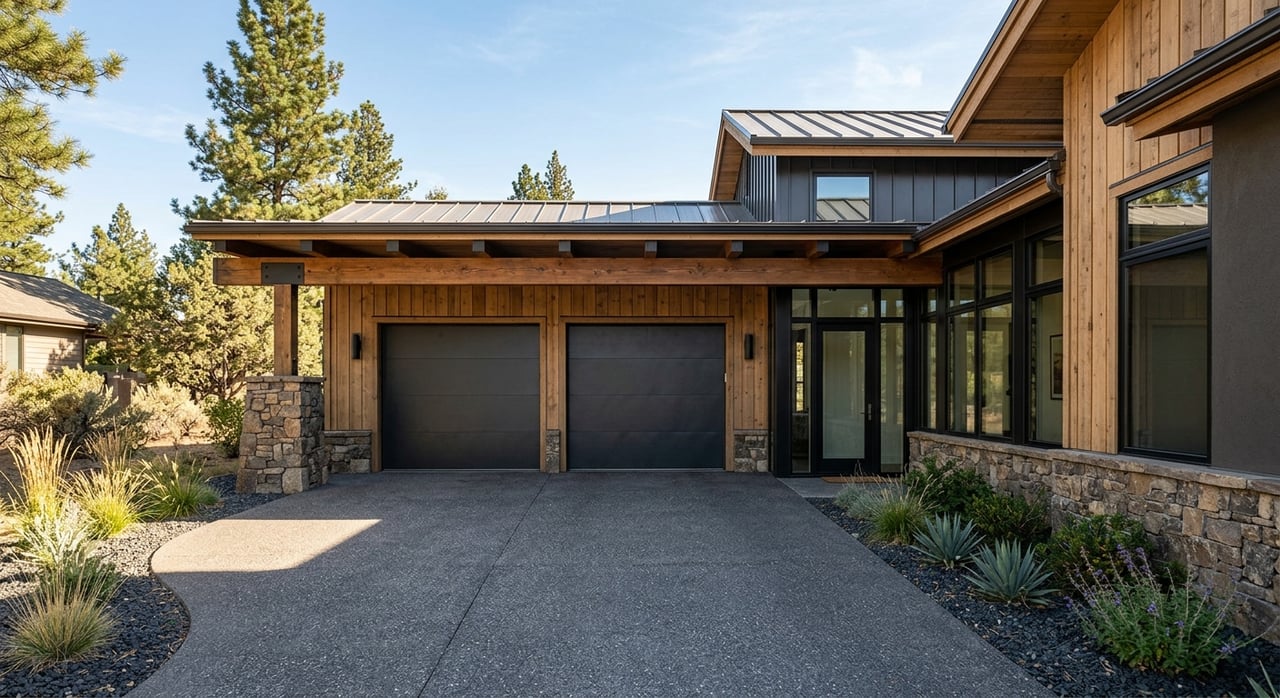
Trying to buy your next home while selling your current one can feel like a high-wire act, especially in Denver’s spring market. You want enough certainty to move forward, but you also do not want to miss the right home or get stuck carrying two properties at once. The good news is that today’s Denver market offers more workable options than the frenzy years, and with the right plan, you can reduce stress and protect your finances. Let’s dive in.
Denver Market Conditions Matter
If you are buying and selling at the same time in Denver, your strategy should start with market timing. According to the March 2026 REcolorado housing market report, the Denver Metro had 3,677 closed listings, a median home price of $589,000, median Days in MLS of 18, and about 12 weeks of inventory.
That mix matters because it points to a market that is active, but not overheated. REcolorado also reported that closed listings rose 35% month over month and pending sales jumped 31% from February to March, which shows a clear spring pickup. At the same time, homes that are priced well can still attract strong interest, while overpriced homes may sit longer and invite concessions.
For you, that means coordination is everything. A calmer market can make options like contingent offers or leasebacks more realistic than they were a few years ago, but strong preparation still gives you the best chance of keeping both sides of the move on track.
Sell First for Less Risk
For many homeowners, selling first is the most conservative path. The Consumer Financial Protection Bureau notes that homeowners normally try to sell their home before buying another one.
The biggest advantage is clarity. Once your current home sells, you know your net proceeds, you know how much cash you have available, and you can shop for your next home with a firmer budget.
The tradeoff is timing. If your sale closes before your next purchase, you may need temporary housing, short-term storage, or a flexible move plan while you search and close on your next property.
When selling first makes sense
Selling first may be the better fit if:
- You want to minimize financial risk
- You need sale proceeds for your next down payment
- You prefer to avoid carrying two housing payments
- You want a clearer picture of your price range before making offers
Buy First for More Flexibility
Buying first can help if you want to move once, avoid temporary housing, or secure a replacement home before listing your current one. But this route usually requires more cash reserves and more comfort with overlapping costs.
According to Freddie Mac’s closing overview, the average purchase loan closes in 43 days, and closing costs are typically 2% to 5% of the loan amount. If you buy before your current home sells, you need to plan for the possibility of carrying your current mortgage, a new mortgage, and move-related expenses at the same time.
This strategy can work well when you have strong savings, substantial equity, or financing options that help bridge the gap. It can also be useful if your next move is highly time-sensitive and you do not want to sell first without a clear landing spot.
What to watch with a buy-first plan
If you buy first, be ready to evaluate:
- Your available cash for down payment and closing costs
- Your comfort with temporary overlapping payments
- How quickly your current home is likely to sell
- Whether your lender approves the structure you want to use
Use a Home Sale Contingency Carefully
A home sale contingency lets you make an offer on a new home that depends on selling your current property by a certain date. As Freddie Mac explains, this can protect you because the contract can be voided and earnest money returned if your home does not sell in time.
That protection can be valuable, especially if you need your sale proceeds to complete the purchase. But there is a downside. The seller may continue marketing the property, and your offer may look weaker than a non-contingent offer.
In Denver’s current market, a home sale contingency may be more workable than it was during the most competitive years. Still, if a well-priced home in a prime location attracts multiple offers, a contingent offer can put you at a disadvantage.
Consider a Bridge Loan or HELOC
If you want to buy before selling, short-term financing may help cover the gap. One option is a bridge loan. The CFPB explains that a bridge loan is generally a temporary loan of 12 months or less that can help finance a new home while you plan to sell your current one within 12 months.
Another option is a HELOC, or home equity line of credit. This can provide access to equity for a down payment or closing costs. However, the CFPB also notes that a lender may freeze additional draws if home values drop or your financial situation changes, and repayment can become much higher later.
These tools can create flexibility, but they also increase complexity. Before choosing either route, it is smart to compare financing options and ask detailed questions about monthly costs, timing, and risk.
Compare lenders before choosing financing
When financing is part of your strategy, shopping matters. The CFPB says requesting additional Loan Estimates does not hurt your credit, and Freddie Mac recommends comparing quotes from three to five lenders.
That step is not just about finding a competitive rate. It can also help you decide whether a bridge loan, HELOC, or standard mortgage structure best fits your goals and risk tolerance.
Use Cash Reserves When Possible
Sometimes the cleanest solution is using savings or sale proceeds to make the transition easier. The CFPB reminds buyers to budget for down payment, closing costs, moving costs, repairs, and other upfront expenses in addition to the purchase itself.
Even if you have strong equity, liquidity still matters. You want enough cash on hand so that a delayed closing, repair issue, or moving expense does not create unnecessary pressure.
A strong reserve can also improve your confidence when timing shifts. In a market where listings and pendings rise quickly in spring, that flexibility can be especially helpful.
Leaseback Can Buy You Time
If your home sells before your next purchase is ready, a leaseback can help you stay in place for a short period after closing. In Colorado, the post-closing occupancy form approved by the Colorado Real Estate Commission is designed for short-term post-closing occupancy only and may not exceed 60 days after closing.
This can be a practical transition tool when you need extra time to move. The agreement is tied to closing, is intended for short-term residential use, and includes terms such as rent paid at closing and buyer access with notice.
The key point is that a leaseback is not open-ended. It is a negotiated short-term solution with a defined end date, which makes careful planning important.
Coordinate the Closing Timeline
Even a strong strategy can get messy without good timing. Freddie Mac notes that closing usually takes place at a title company, the final walk-through is typically 24 hours before closing, and the Closing Disclosure arrives three days before closing.
That means buying and selling at once is not just about choosing a strategy. It is also about lining up lender deadlines, title dates, inspection items, move-out timing, and any post-closing occupancy agreement so funds and possession happen in the right sequence.
In Denver’s spring market, where activity tends to pick up fast, those details can make the difference between a smooth move and a stressful one.
How to Choose the Right Path
There is no one-size-fits-all answer. The right option depends on your equity, cash reserves, risk tolerance, financing picture, and how flexible your timeline is.
Here is a simple way to think about it:
- Sell first if you want the lowest-risk path and need clear proceeds before buying
- Buy first if you have the reserves and want more control over where you move next
- Use a contingency if you need protection, but understand your offer may be less competitive
- Consider bridge financing or a HELOC if you want flexibility and can manage the added obligation
- Ask for a leaseback if selling first works financially but you need more time before moving out
In many cases, the best result comes from combining tools. For example, you might sell first, negotiate a short leaseback, and use that time to close on your next home.
Why Guidance Matters in Denver
Buying and selling at the same time is both a market decision and a financial decision. In a place like Denver, where demand is steady, inventory is healthier than during the pandemic peak, and well-priced homes can still move quickly, a solid plan matters.
That is where a finance-savvy, hands-on approach can really help. From pricing your current home correctly to coordinating lender timelines and negotiating the right contract terms, the goal is to give you more clarity at every step.
If you are weighing your options for a move in Denver, Johnny Lee can help you build a strategy that fits your timing, budget, and comfort level.
FAQs
Should I sell my current Denver home before buying my next one?
- Usually, selling first is the lower-risk option because you know your sale proceeds before committing to the next purchase.
Will a home sale contingency hurt my offer in Denver?
- Often, yes. A home sale contingency gives you protection, but it can make your offer less attractive because the seller takes on more uncertainty.
How long can I stay in my Colorado home after closing?
- Under Colorado’s standard post-closing occupancy form, short-term occupancy may not exceed 60 days after closing.
How much cash should I budget when buying and selling at once?
- You should budget for your down payment, closing costs, moving expenses, repairs, and a cushion for timing gaps. Freddie Mac notes closing costs are commonly 2% to 5% of the loan amount.
What does an agent coordinate during a buy-and-sell move in Denver?
- Your agent helps line up pricing, offer timing, financing, title dates, contingencies, inspection items, and move-out or post-closing occupancy timing so both transactions work together.