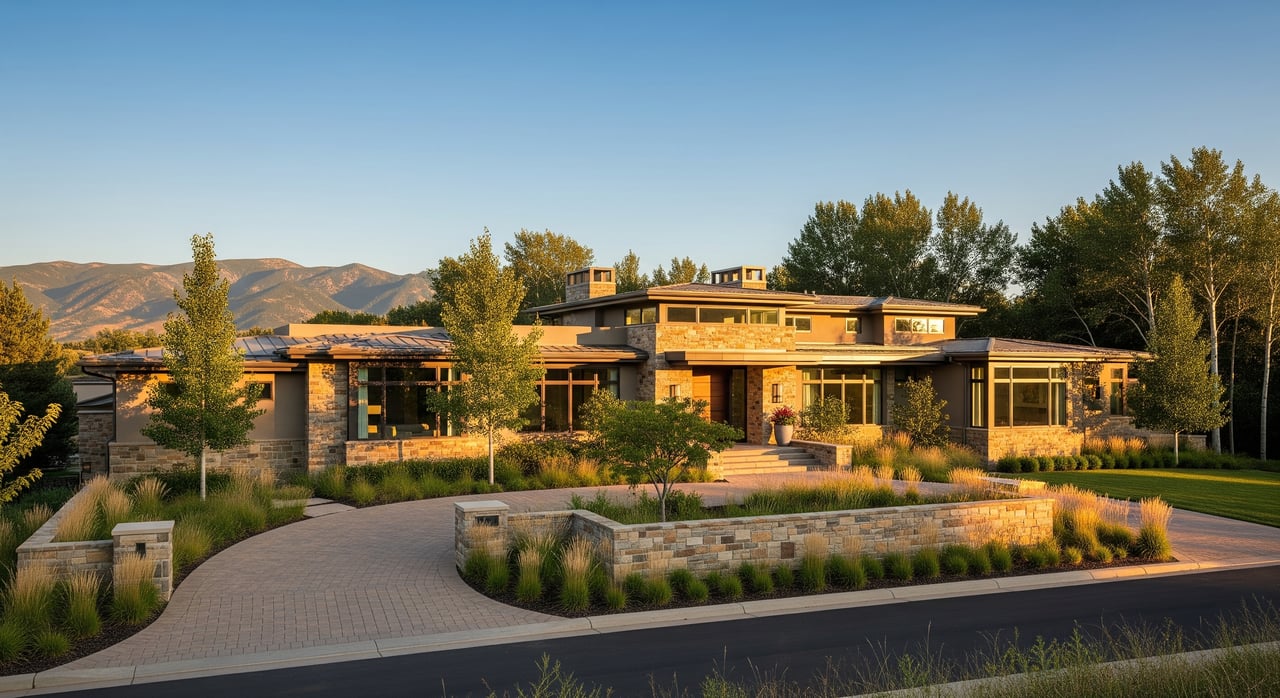
Planning an addition, a new detached garage, or a backyard studio in Greenwood Village? Before you sketch a layout, zoning rules determine what you can build, where it can sit on your lot, and how tall it can be. If you get familiar with the basics up front, you save time, avoid redesigns, and set your project up for a smoother approval.
This guide walks you through how to verify your zoning, read setback and height tables, and work with Community Development. You will also get practical checklists and questions to ask the city before you spend on plans. Let’s dive in.
Why zoning matters in Greenwood Village
Zoning controls land use and the shape of buildings on your lot. That includes allowed uses, setbacks from property lines, maximum building height, lot coverage, accessory structures, parking, and landscaping. These standards determine whether your addition or detached structure is permitted outright, needs a variance, or is not allowed.
Greenwood Village is an incorporated municipality in Arapahoe County. Inside city limits, the city’s zoning map and municipal code are the authoritative sources for what applies to your property. City rules control over county rules for properties in Greenwood Village.
Many parcels also sit within overlays or planned developments and may have recorded site plans or private covenants through an HOA. These layers can modify the base zoning. Always check for PUDs, overlays, and recorded restrictions before you finalize a design.
Verify your property’s zoning: a step-by-step
Step 1: Identify your property
- Gather your street address and parcel identification number (PIN) from a tax bill, assessor record, or deed.
- A legal description and a recent property survey help you confirm lot lines and dimensions. If you plan to build near a setback, a survey is best.
Step 2: Use official city resources first
- Locate the Greenwood Village zoning map or GIS. Search the city website for terms like “Zoning Map,” “GIS,” or “Interactive Maps.”
- Find your zoning district symbol or name in the municipal code. Codes typically use labels like R for residential or PUD for planned unit development. The code explains allowed uses and the development standards for your district.
Step 3: Confirm site-specific conditions
- Look for PUD ordinances and recorded site plans. These can override base zoning and add custom standards.
- Check for overlays and special districts such as floodplain, hillside, or utility corridors that can add requirements.
- Ask about nonconforming situations. Older homes or lots may not match today’s standards. The code outlines what you can repair or expand.
Step 4: Cross-check with county and title
- Use the Arapahoe County Assessor property search to confirm parcel data, legal description, and ownership. This ensures you are looking at the correct parcel.
- Review title documents and recorded covenants. HOAs often have design rules, materials standards, and separate approvals.
Step 5: Request written confirmation if needed
- For significant projects, ask Community Development for a zoning verification letter or a pre-application review. Written clarity helps you and your designer confirm setbacks, height, and any special rules before you draw final plans.
What you will find in the city map and code
- The map shows your parcel’s zoning district.
- The code provides permitted and conditional uses, tables for setbacks and height, lot coverage limits, accessory structure rules, and the procedures for variances and appeals.
Decode setbacks, height, and coverage
What a standards table includes
Most development standards tables follow a common format:
- Zoning district name
- Minimum lot area and minimum lot width
- Front, side, and rear setbacks
- Maximum building height
- Maximum lot coverage
- Separate lines for primary structures and accessory structures
Key terms you will see
- Front setback or front yard: The minimum horizontal distance from the front property line to a structure. Corner lots may have different front and side designations.
- Side and rear setbacks: The minimum distance from side and rear lot lines to a structure. Corner lots often have two street frontages, which can change the applicable setbacks.
- Build-to line vs. setback: Some districts require the front wall to sit within a set distance from the street rather than just beyond a minimum.
- Lot coverage: The percentage of the lot area that buildings can cover. It often includes the house footprint and accessory buildings, and sometimes driveways or patios, as defined by the code.
- Height: The maximum allowed height, usually in feet and sometimes in stories.
How height is measured
Cities measure height in different ways. Common methods include:
- From average natural grade at the building footprint to the highest roof point
- From finished grade or a defined base elevation
There are often exceptions for chimneys, mechanical equipment, parapets, and certain roof features. If your lot is sloped, ask Community Development how Greenwood Village measures height for your parcel and where the measurement starts.
Accessory structures and small encroachments
Detached garages, sheds, and similar accessory buildings often have different setbacks and lower height limits than the main house. The code may cap their size and require a minimum separation from the primary structure.
Small projections like eaves, bay windows, and porches are sometimes allowed to extend a limited distance into setbacks. Retaining walls, fences, decks, and pools have separate rules that can include height limits, safety standards, and additional approvals for grading or drainage.
Corner and irregular lots
Corner lots can have two frontages with different setback rules, and irregular or narrow lots may qualify for special review or exceptions. Check the code’s definitions and nonconforming lot provisions, and confirm with city staff before you design near an edge.
Nonconforming structures and expansions
If an existing building was legal when built but does not meet current rules, it may be considered nonconforming. Minor repairs are usually allowed. Larger additions or changes may require a variance or must meet today’s standards.
Permits, process, and working with Community Development
Projects that typically need permits
You usually need a zoning or building permit for:
- New construction
- Additions that expand footprint or height
- Interior remodels that change use or exit/access
- Detached garages and accessory dwelling units
- New decks, depending on height and location
- Fences above a certain height
- Pools
- Major grading or retaining walls
- New driveways or curb cuts
- A change of use for a structure
Purely cosmetic work like painting may not require a permit. When in doubt, ask the Building Division to confirm.
How Community Development can help
Planning and Building staff can:
- Confirm your zoning and any overlays
- Explain which permits your project needs
- Clarify how height and setbacks are measured on your lot
- Schedule a pre-application or pre-submittal meeting
- Provide staff interpretations for specific code questions
- Share copies of PUDs, recorded site plans, or issue zoning verification letters
Check the city website for contact information, office hours, and forms. If online permitting is available, you can handle many steps electronically.
What to bring for a first conversation
Bring the basics so staff can give you clear guidance:
- Property address and parcel number
- Recent property survey
- Legal description or plat map
- Photos of the site, including slopes and neighboring structures
- A simple site sketch showing property lines, existing buildings, and your proposed addition or accessory structure
- Preliminary floor plans and elevations if you have them
- Any HOA covenants or recorded site plans
- A short written description of your project with key dimensions
Timelines and fees to expect
- Small projects like simple accessory structures, minor decks, and fences may be reviewed in days to a few weeks.
- Additions or projects that need zoning or plan review can take several weeks to a few months. Variances or conditional uses add time for public notice and hearings.
- Major projects such as a new single-family home or large additions can take months.
Fees vary by project type and are listed in the city’s fee schedule. Ask staff for the current schedule and a rough estimate of plan review and permit costs.
Variances, conditional uses, and appeals
If your design cannot meet a dimensional standard, you may need a variance for hardship or a conditional use permit. These require a formal application, fees, and public notice or hearings. Ask early whether your project is likely to need discretionary approvals.
Inspections and final approvals
Once your permit is issued, the Building Division will schedule inspections at key stages, such as footings, framing, and final. You cannot occupy or use the new space until you pass final inspection and receive approvals.
Practical tips and common pitfalls
Smart steps to save time and money
- Start early. Verify zoning and setbacks before you pay for detailed drawings.
- Use a licensed survey. When you are close to a setback line, inches matter.
- Talk to your HOA early. HOA approvals often run in parallel with city permits.
- Map utilities and easements. Pipelines, drainage easements, and utility corridors can limit where you can build.
- Plan for grading. Retaining walls and earthwork may trigger extra engineering or stormwater approvals. Sloped lots often need geotechnical input.
- Clarify “repair” vs. “alteration.” That difference can change permit requirements.
Common mistakes to avoid
- Relying on old plats instead of a current survey
- Measuring setbacks to the curb or street instead of the property line
- Missing PUD or site plan conditions that are stricter than base zoning
- Overlooking utility clearances, drainage paths, and fire access
- Building in an easement or right-of-way
Questions to ask Community Development
- What is my parcel’s zoning designation and are there overlays, PUDs, or recorded site plans that apply?
- Where can I find the official zoning map and the specific development standards for my district?
- How does the city measure building height on my lot, especially if it is sloped?
- What are the minimum front, side, and rear setbacks for primary and accessory structures on my parcel?
- Are there special rules for corner lots, narrow lots, or irregular lots in my area?
- Will my proposal require a variance, conditional use permit, or other discretionary approval?
- Which permits are required and what is the current review timeline for my project type?
- Are there stormwater, erosion control, or grading requirements I should plan for?
- Can I obtain a zoning verification letter or schedule a pre-application meeting?
Ready to plan your project?
A clear zoning path helps you design once and build with confidence. If you want a market-focused second opinion while you plan, Johnny Lee can help you gauge how an addition, a detached garage, or a backyard studio could impact resale value in Greenwood Village and nearby suburbs. Get your instant home valuation, and let’s talk through your options so you can move forward with clarity. Reach out to Unknown Company.
FAQs
What does zoning control in Greenwood Village?
- Zoning regulates allowed uses, setbacks, maximum height, lot coverage, and standards for accessory structures, parking, and landscaping.
How do I confirm my zoning district for a Greenwood Village address?
- Start with the city’s zoning map or GIS, then confirm in the municipal code. For important projects, request a zoning verification letter from Community Development.
What is a PUD and why does it matter for my lot?
- A Planned Unit Development can customize standards for a specific area. PUD rules or recorded site plans can override base zoning, so always check them.
How are building setbacks measured from my property lines?
- Setbacks are measured from your property lines, not the curb. Use a survey to verify distances, especially when building near a required setback.
How is building height measured on sloped Greenwood Village lots?
- Methods vary by code. Ask Community Development how height is measured for your lot and where the base elevation is taken on sloped sites.
Do small projects like fences or decks need permits in Greenwood Village?
- Many do, depending on height and location. Confirm with the Building Division before you start to avoid delays or rework.