Looking for a place with small-town charm, big outdoor access, and an easy connection to Denver? If Littleton is on your radar, you’re not alone. Many buyers love the balance of a walkable historic core and nearby trails, parks, and open space. This guide walks you through daily life in Littleton, from river paths and state parks to downtown routines and practical tips for relocating. Let’s dive in.
Littleton at a glance
Littleton sits in the south Denver metro and crosses multiple counties. That can mean differences in services, taxes, and school districts depending on the neighborhood. The city pairs a historic downtown vibe with suburban neighborhoods and quick access to the Front Range. You get four true seasons, plenty of sunshine, and year-round ways to be outside.
Parks and outdoor life
Littleton’s outdoor scene is a highlight. You’ll find neighborhood parks for quick walks and larger destinations for full-day outings. Many spots host community events, so your recreation time often doubles as social time. Here’s how it breaks down.
River and greenway access
The South Platte River corridor runs through the area and connects to the Mary Carter Greenway. You can walk, run, or ride on continuous paths that link neighborhoods, parks, and nearby communities. It’s common to see cyclists commuting or families taking evening strolls along the river.
Go-to parks and gardens
- Clement Park: A large park with sports fields, picnic areas, and trail connections. Seasonal events often bring neighbors together.
- Hudson Gardens & Event Center: Botanical gardens with easy walking paths and rotating displays. It’s a relaxing midday break or a family outing.
- South Platte Park and Carson Nature Center: River access, multiuse trails, and wildlife viewing. The nature center adds learning opportunities for kids and adults.
State parks nearby
- Chatfield State Park: A major reservoir for boating and fishing, miles of trails, and a popular off‑leash dog area. Plan this one for a half or full day.
- Roxborough State Park: Striking red-rock formations and hiking trails that draw photographers and hikers alike.
State parks require a daily fee or a pass. Parking can fill quickly on weekends or during fall colors, so early arrivals or weekday visits are smart.
Everyday outdoor rhythm
If you live near Old Town or the river, daily walks and quick trail breaks are easy. Many residents grab coffee downtown after a morning run, then return in the evening for a concert or event. Parks and gardens set the pace for weeknights and weekends.
Nature and learning
The Carson Nature Center and local open-space programs support education and stewardship. You’ll see volunteer trail days and native-plant projects. This makes it easy to get involved and meet neighbors.
Trails and connectivity
Linked paths across the region
The Mary Carter Greenway connects to the broader South Platte River network. You also have regional links to routes like the High Line Canal for longer rides or point-to-point trips. These paths help you move without getting in the car.
Paved vs. natural surfaces
You’ll find paved segments suited to strollers, road bikes, and gentle walks. Unpaved sections and nearby open-space trails fit hiking or mountain biking. Pick your route based on the day’s energy and weather.
Helpful timing tips
Parking is usually easier on weekday mornings and non-peak hours. During busy seasons, arrive early and have a backup trailhead in mind. Keep a small daypack ready for quick after‑work rides or sunset walks.
Downtown and daily conveniences
Old Town character
Old Town Littleton centers on historic Main Street. You get short, walkable blocks lined with local shops, cafes, and restaurants. Evenings and weekends bring a friendly, village feel with steady foot traffic.
Community calendar
Expect farmers markets, summer concerts, and seasonal festivals downtown or at larger parks. The Littleton Museum adds cultural depth and rotating programming. The calendar shifts by season, so check it often to plan your week.
Everyday errands
You’ll find grocery stores, banks, pharmacies, and clinics in town. Larger retail centers are a short drive away. Full-service hospitals and specialty care are available in and near Littleton; confirm current affiliations for your needs.
Getting around
Transit options
RTD light rail and bus service connect Littleton to downtown Denver and the broader metro. Many commuters and students use light rail. Routes can change, so always verify schedules before you go.
Driving patterns
Major arterials and regional highways offer straightforward access to Denver and nearby employment hubs. Drive times vary with rush hour and weather. Some residents combine driving and light rail for flexible commutes.
A day in the life
- Morning: Jog the river trail, then grab coffee on Main Street.
- Midday: Lunch in Old Town, quick stroll through Hudson Gardens.
- Evening: Catch a community concert or hop on light rail for a Denver event.
Buying in Littleton: what to know
Neighborhood styles
- Historic Old Town: Older homes like bungalows and cottages, mature trees, and walkable blocks.
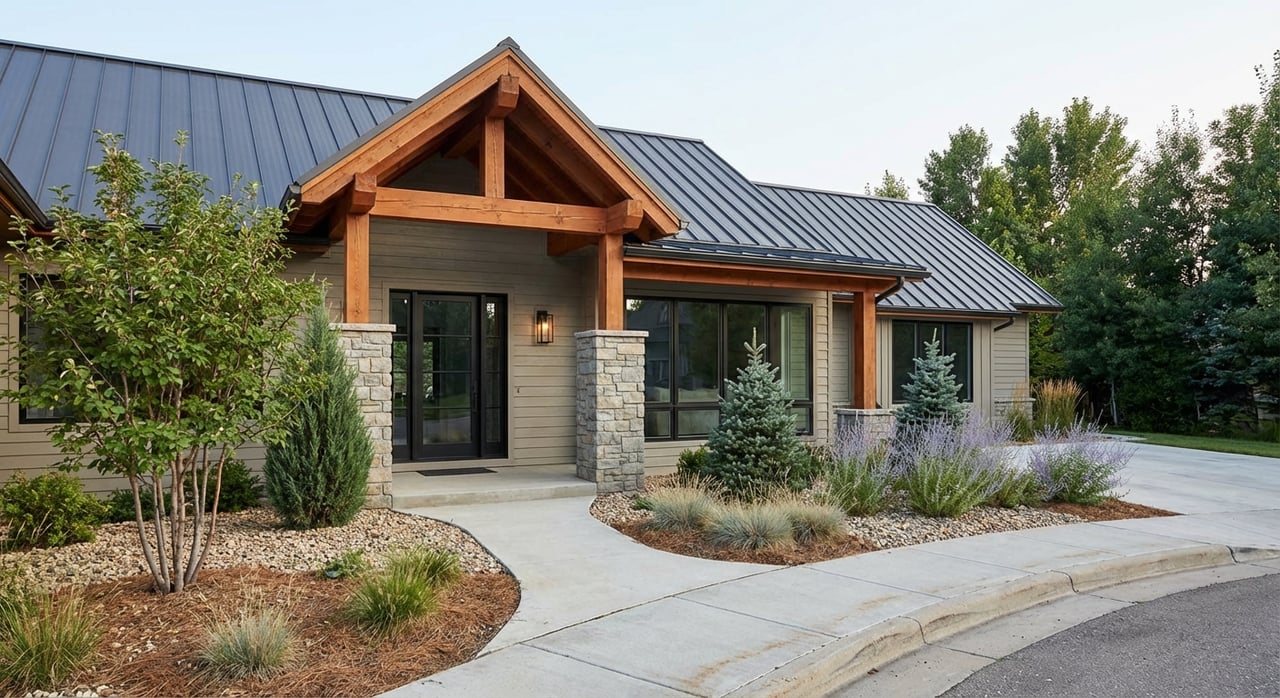
- Mid‑century and suburban areas: Ranch homes, cul‑de‑sacs, and larger lots.
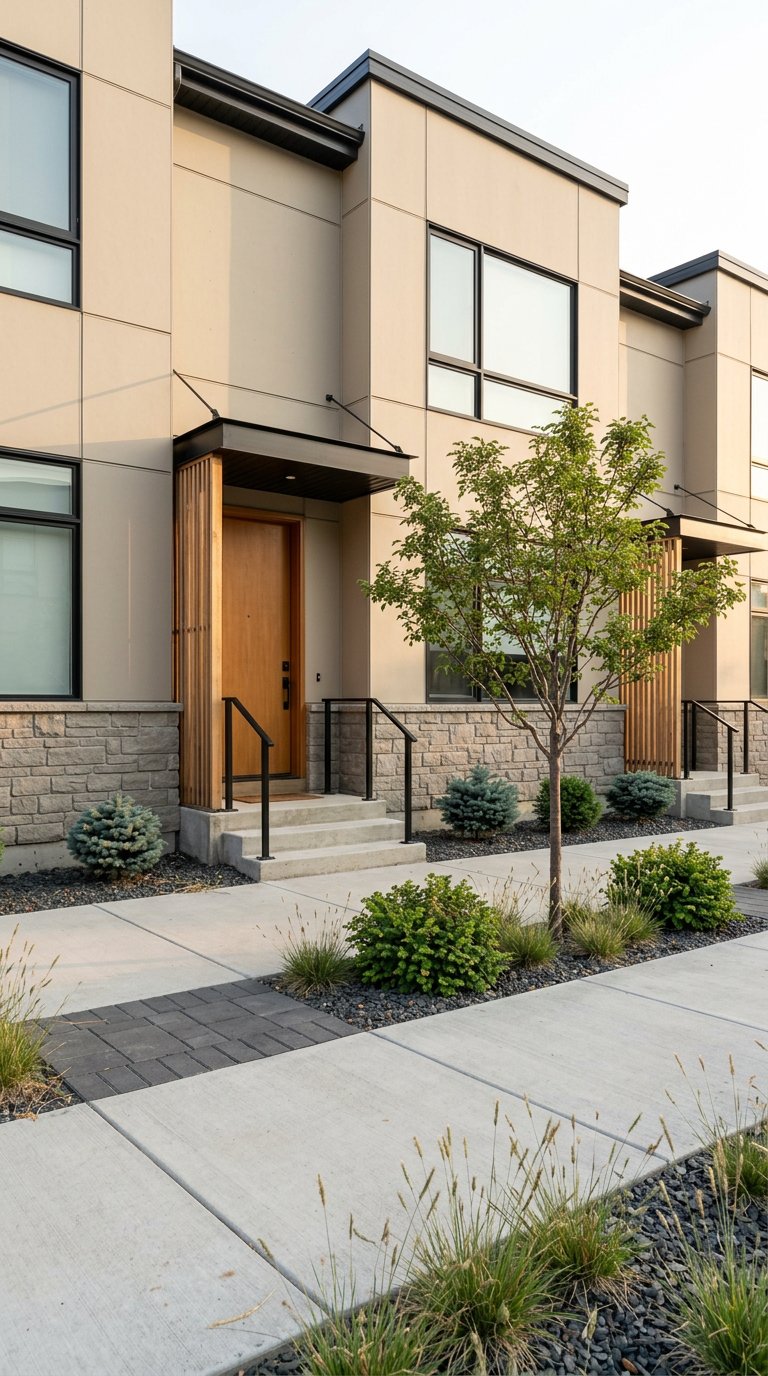
- Newer developments: Found on the edges of town and in nearby jurisdictions, sometimes with larger lots.
Because city limits and mailing areas cross county lines, confirm exact neighborhood boundaries and services for each property.
Schools and boundaries
Littleton Public Schools serve much of the city, but some addresses fall in other districts based on county and boundary lines. School assignment is boundary‑driven. Always check district maps and state reports directly to verify.
Taxes, utilities, and services
Property tax rates, utility providers, and special district assessments can differ by parcel. Sales tax and municipal services can vary inside versus outside city limits. Verify specifics through county assessor portals and official city resources.
Market context
Littleton is often seen as a balance of walkable historic streets and suburban value within the greater Denver market. Prices and inventory move with metro trends and differ by micro‑area, lot size, and proximity to amenities. For current numbers, consult local MLS data and regional reports.
Relocation checklist
- Confirm neighborhood boundaries and the taxing jurisdiction for each property.
- Verify school attendance zones with the appropriate district.
- Visit at different times of day to gauge traffic and park usage.
- Test your commute with RTD schedules and drive times.
- Review weekend recreation options and state park fee structures.
- Meet with a local agent who knows Littleton’s micro‑neighborhoods.
Next steps
Spend a Saturday morning in Old Town and walk the South Platte path. Plan a weekend at Chatfield or Roxborough to see how you like the outdoor rhythm. If Littleton fits your lifestyle, connect with a local pro to compare neighborhoods, confirm jurisdiction details, and map a financing plan that aligns with your goals.
Ready to explore homes or talk strategy? Reach out to Johnny Lee for a neighborhood tour, financing guidance, and a clear plan tailored to you. Get your instant home valuation.
FAQs
What is daily outdoor life like in Littleton?
- You can take quick walks along the South Platte, use paved and unpaved trails for running or cycling, and plan full-day outings to nearby state parks.
How do commutes from Littleton to Denver work?
- Many residents use RTD light rail and buses or drive on regional highways; verify current transit routes and test drive times during your typical commute window.
Which parks are popular for weekends near Littleton?
- Chatfield State Park and Roxborough State Park draw hikers, boaters, and photographers, while Clement Park and Hudson Gardens are great for local outings.
What should relocating buyers know about Littleton schools?
- School assignment depends on district boundaries, and parts of the Littleton mailing area fall into different districts; check maps and reports directly with each district.
Do taxes and utilities vary across Littleton neighborhoods?
- Yes, because the area spans multiple counties and jurisdictions, property taxes, utility providers, and assessments can differ by parcel; verify through county and city sources.