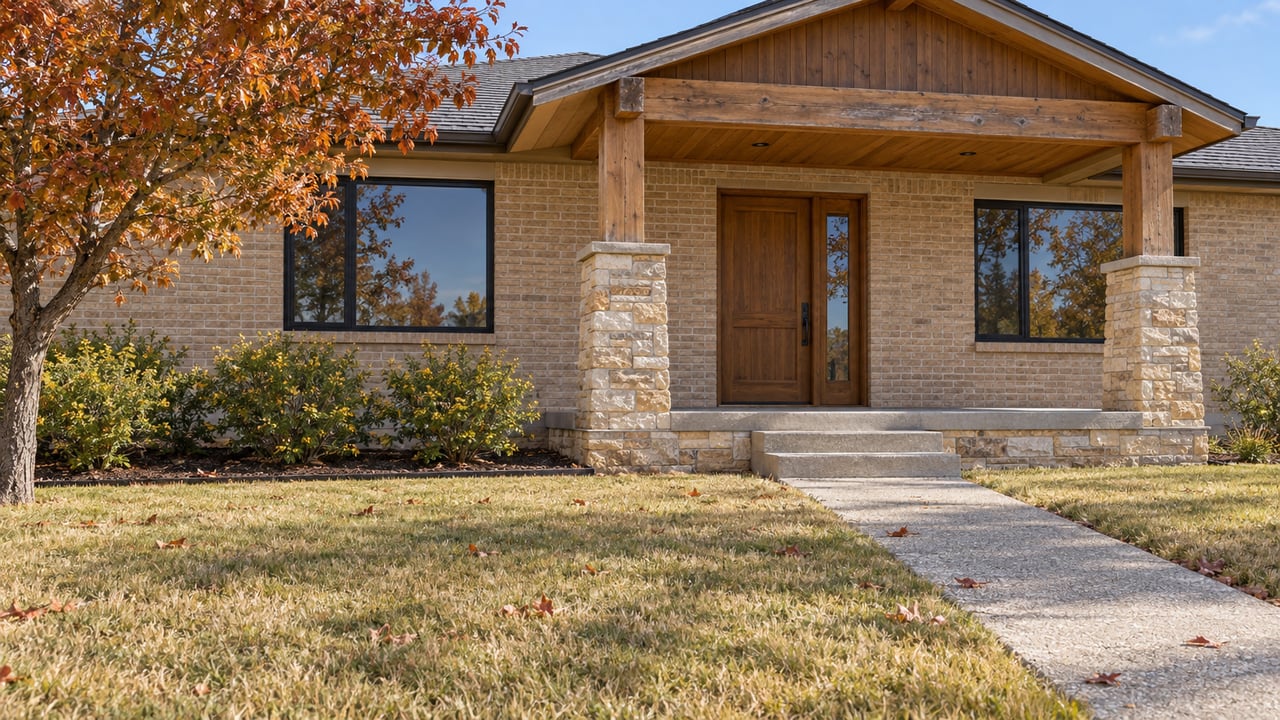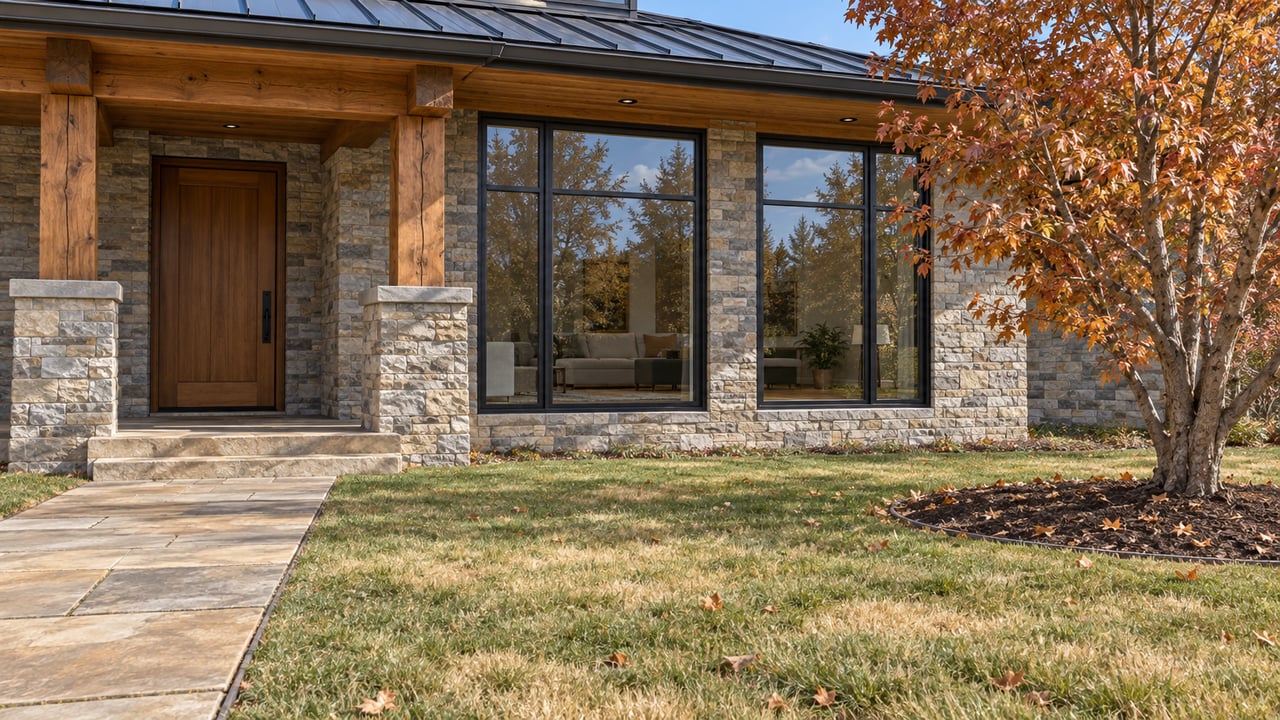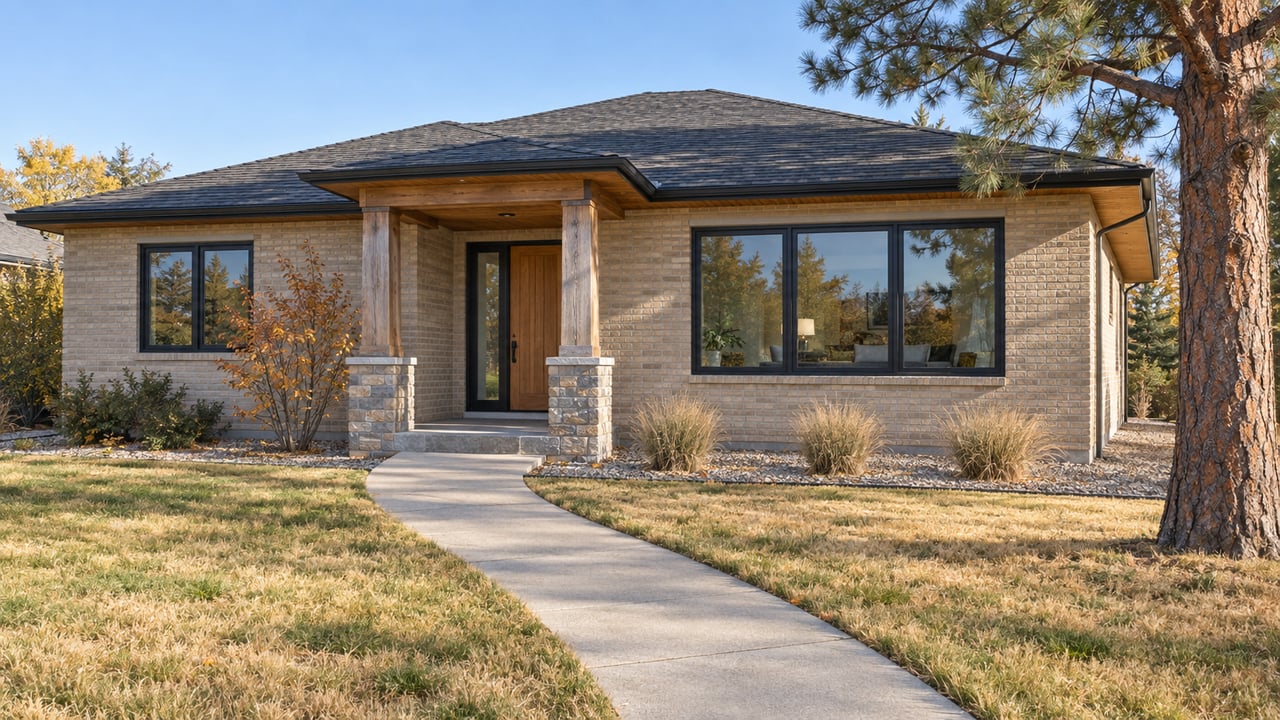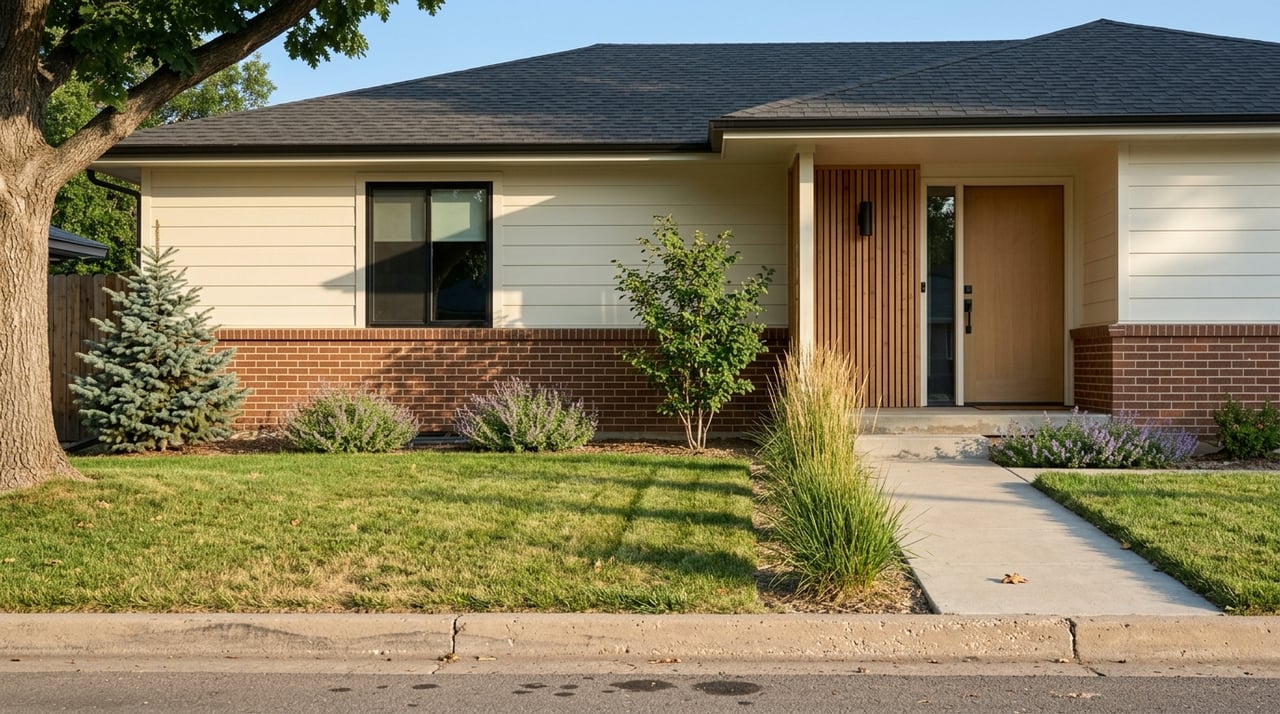
If you are trying to choose between a newer or more established Littleton neighborhood, the answer is rarely as simple as "old versus new." Littleton has a mix of redevelopment, historic districts, mid-century subdivisions, and newer residential projects, all shaped by a city that is already largely built out. If you want to make a confident decision, it helps to look past the home’s age and focus on how the neighborhood actually functions for your life. Let’s dive in.
Why Littleton Takes A Closer Look
Littleton is not a one-pattern market. According to the city, long-range planning through Envision Littleton reflects a community that is already largely developed, which means newer housing often comes through infill or redevelopment instead of large-scale expansion.
That matters when you compare neighborhoods. In Littleton, a newer home may sit in a mixed-use redevelopment area, while an older home may be in a historic district or a mid-century subdivision with a very different lot layout and design style.
Another key point is location accuracy. The city notes that many properties with a Littleton mailing address are not actually inside Littleton city limits, and the city itself stretches across Arapahoe, Jefferson, and Douglas counties.
Before you compare neighborhoods, verify the actual city limits and county. That small step can help you avoid confusion when you are reviewing taxes, regulations, and neighborhood characteristics.
What Newer Littleton Neighborhoods Often Offer
In Littleton, newer does not always mean a large master-planned subdivision on the edge of town. The city’s land use framework shows that new residential development is often tied to site plans, plan amendments, redevelopment, and housing types that fit into an already established urban pattern.
A strong example is Littleton Village, a 77-acre redevelopment of a former Marathon Oil site that was approved with residential units, a park, and commercial space. That kind of project can appeal to buyers who want newer construction in a more connected setting.
At the same time, newer development can also look very different. A 2026 city hearing notice for The Gables subdivision proposed 17 large lots for single-family homes, which shows that newer options can range from denser mixed-use communities to low-density large-lot neighborhoods.
Because of that range, it helps to compare the layout and rules of each neighborhood rather than assuming all newer communities feel the same.
Features To Compare In Newer Areas
When you tour newer Littleton neighborhoods, pay attention to details like:
- Lot size and spacing between homes
- Street and parking layout
- Whether the community is mixed-use or strictly residential
- HOA structure and neighborhood rules
- Whether the property is in a metro district
These factors can shape your monthly costs, daily convenience, and long-term comfort just as much as the home’s finishes and floor plan.
What Established Littleton Neighborhoods Often Offer
Established neighborhoods in Littleton cover more than one era and style. The city’s historic preservation materials show that older areas can include downtown-era blocks, architecturally distinct historic districts, and mid-century subdivisions.
For example, the Downtown Littleton Historic District includes Main Street, Alamo Avenue, and the streets in between. The city notes that historic district rules focus on exterior alterations and demolition, but they do not block all new construction.
Louthan Heights gives a different kind of established-neighborhood experience. The city identifies it as Littleton’s first local historic landmark district, with 13 of its 17 homes built between 1921 and 1929 and notable Craftsman features like broad porches, clipped gables, and exposed rafters.
Arapaho Hills represents yet another established pattern. The city’s survey says the subdivision developed between 1955 and 1964 and is associated with post-war residential modernism, including Usonian and International styles.
The takeaway is simple: established Littleton is not one look. You may find early-20th-century architecture, mid-century design, or downtown-adjacent housing, each with a different feel and ownership experience.
What To Ask In Established Areas
If you are drawn to an older neighborhood, ask questions about:
- Historic district status
- Rules for exterior changes or demolition review
- Lot pattern and home placement
- Renovation history and upkeep
- Any HOA involvement in addition to preservation review
This helps you understand not only the charm of the area, but also how much flexibility you may have if you want to update the property over time.
HOA And Metro District Differences Matter
One of the biggest practical differences between neighborhoods can come from governance and cost structure. In newer communities especially, buyers should ask whether a property is part of an HOA, a metro district, or both.
Colorado’s HOA Center advises buyers to review the governing and financial documents available under Section 7 of the contract because HOA covenants can affect how you use your home. Even if the home itself feels like a perfect fit, the rules may shape parking, exterior maintenance, or other day-to-day decisions.
Littleton’s metro district guidance adds another layer. The city explains that metro districts are commonly created by developers to finance subdivision infrastructure, and their taxes and fees are added to the homeowner’s annual property tax bill.
That is an important distinction because metro districts can tax residents, while HOAs serve a different role. If you are comparing a newer neighborhood to an established one, this is one of the smartest places to look beyond the listing photos.
Commute Patterns Can Tip The Decision
Your daily routine may be the deciding factor between a newer and more established neighborhood. Littleton’s transportation materials show a strong auto network, from C-470 to local streets, but they also point out barriers to east-west connectivity, including the South Platte River, freight and light-rail tracks, and the High Line Canal.
That means block-by-block location matters. A neighborhood that looks close on a map may feel less convenient once you factor in how you actually travel through the city.
RTD lists both Downtown and Mineral stations with park-and-ride, bus, bike-rack, and locker service. For some buyers, that makes central or historic areas more appealing if access to rail and walkability is high on the list.
For others, newer neighborhoods near major corridors may be a better match if driving is your main routine. The best choice depends on how often you use transit, need arterial access, or want a mix of both.
Compare Lifestyle, Not Just Age
When buyers start this search, they often ask whether newer or established neighborhoods are better. In Littleton, a better question is which setup best fits your priorities.
A newer neighborhood may offer modern layouts, newer systems, and a more standardized feel. An established neighborhood may offer distinct architecture, mature surroundings, or closer access to downtown and transit.
Neither option is automatically better. The right fit depends on how you weigh neighborhood rules, lot patterns, commute habits, exterior consistency, and overall feel.
A Simple Littleton Comparison
| Factor | Newer Neighborhoods | Established Neighborhoods |
|---|---|---|
| Development pattern | Often infill or redevelopment | Often historic, downtown-adjacent, or mid-century |
| Neighborhood layout | Can vary from mixed-use to large-lot single-family | Often reflects the era in which it was built |
| Rules to review | HOA documents, metro district structure, plat details | Historic review rules, possible HOA rules, lot pattern |
| Commute style | May favor arterial driving access | May better suit rail access or central location |
| Visual character | Can feel more uniform | Can vary widely by district and architectural era |
A Smart Buyer Checklist For Littleton
If you want to narrow your options with confidence, use this checklist as you compare neighborhoods:
- Verify whether the property is actually inside Littleton city limits
- Confirm which county the home is in
- Ask if the property is in an HOA, metro district, historic district, or a combination
- Review the plat and lot pattern, not just the year built
- Think about your real commute, including rail, driving routes, and east-west travel limits
- Decide how much exterior consistency or design variety you want
This kind of review can help you avoid surprises and focus on neighborhoods that truly match your goals.
If you are weighing newer versus established areas in Littleton, the best next step is to compare each option through both a lifestyle and financial lens. That is where local market context and clear guidance can make the process feel much easier.
When you are ready to sort through Littleton neighborhoods, compare property types, or talk through financing strategy, connect with Johnny Lee for practical, responsive guidance tailored to your move.
FAQs
How do newer Littleton neighborhoods differ from established ones?
- Newer Littleton neighborhoods are often infill or redevelopment projects, while established neighborhoods may include historic districts, downtown-adjacent blocks, or mid-century subdivisions with different lot patterns and architectural styles.
What should you verify before buying in Littleton?
- You should verify whether the home is actually inside Littleton city limits and confirm which county it is in, because many Littleton mailing addresses are outside the city and the city spans Arapahoe, Jefferson, and Douglas counties.
What should buyers ask about HOA and metro district costs in Littleton?
- Buyers should ask whether the property is part of an HOA, a metro district, or both, and review the governing and financial documents because HOA rules can affect home use and metro district taxes and fees are added to the property tax bill.
Are historic districts in Littleton restrictive for homeowners?
- Littleton’s historic district rules focus on exterior alterations and demolition review, but they do not prevent all new construction, so buyers should ask what review applies to the specific property.
Why does commute planning matter when choosing a Littleton neighborhood?
- Commute planning matters because Littleton’s east-west connectivity can be limited by the South Platte River, rail lines, and the High Line Canal, so the convenience of a neighborhood depends on how you actually travel day to day.