Wondering what kind of home you will actually find in Westminster, Colorado? That is a smart question, because Westminster is not a one-style city. Your experience can vary a lot depending on whether you are looking at a postwar ranch, an attached townhome, a mixed-use condo near transit, or a newer planned community. This guide will help you understand the home styles, neighborhood patterns, and practical tradeoffs that matter most so you can narrow your search with confidence. Let’s dive in.
Why Westminster Feels So Varied
Westminster is almost fully built out, which means its character comes more from when neighborhoods were developed than from large waves of brand-new construction. According to the city’s 2023 Housing Needs Assessment, nearly half of Westminster homes were built in the 1970s and 1980s, and the median owner-occupied home was built in 1985.
That age pattern helps explain why Westminster feels like a collection of distinct pockets instead of one uniform market. The same assessment found that 55% of the housing stock was single-family detached, while 21% was attached housing in smaller structures. For you as a buyer, that means your options can range from classic suburban layouts to lower-maintenance attached homes.
Common Home Styles in Westminster
Postwar Ranch Homes
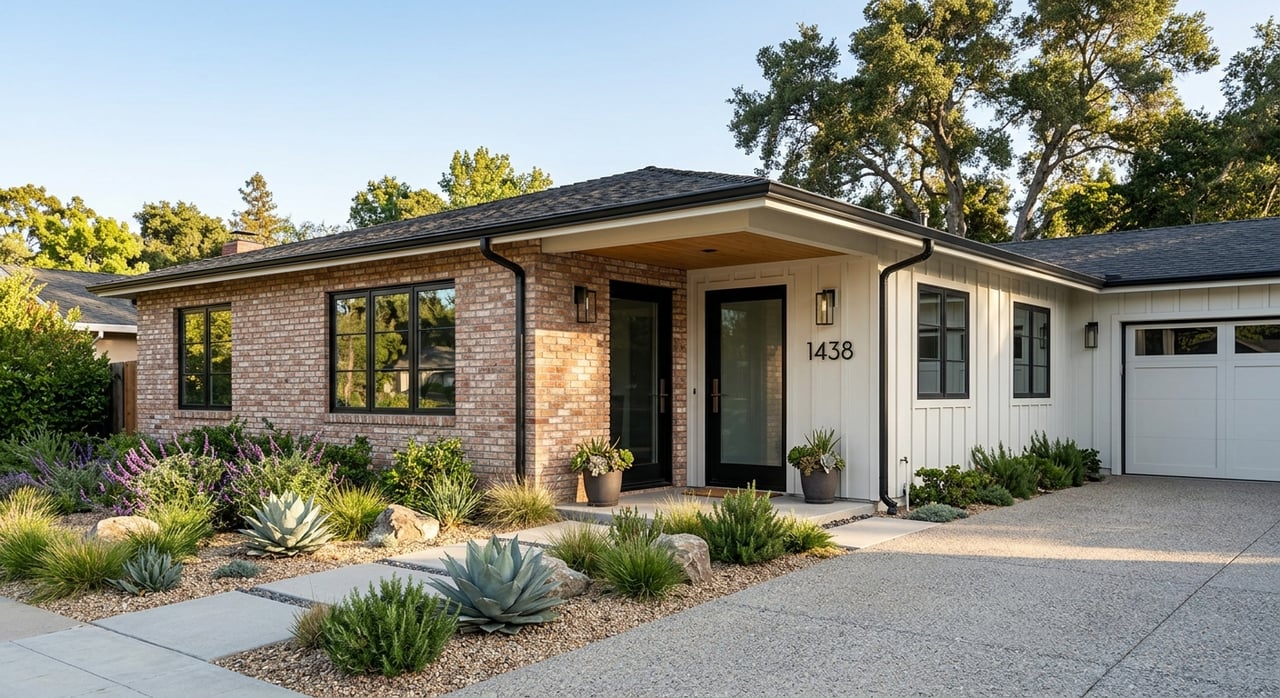
One of the clearest home styles in Westminster is the postwar ranch. The city’s historic survey of California Ranch homes documented 286 sites, mostly built from 1955 to 1959.
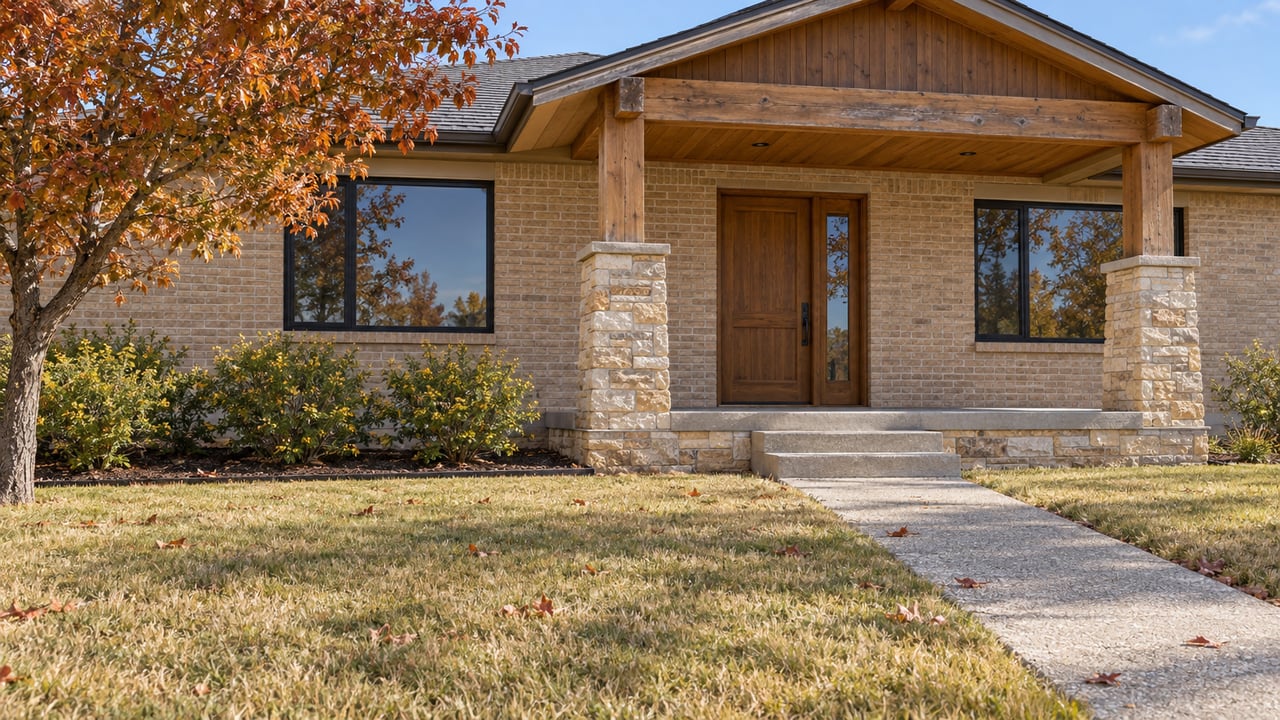
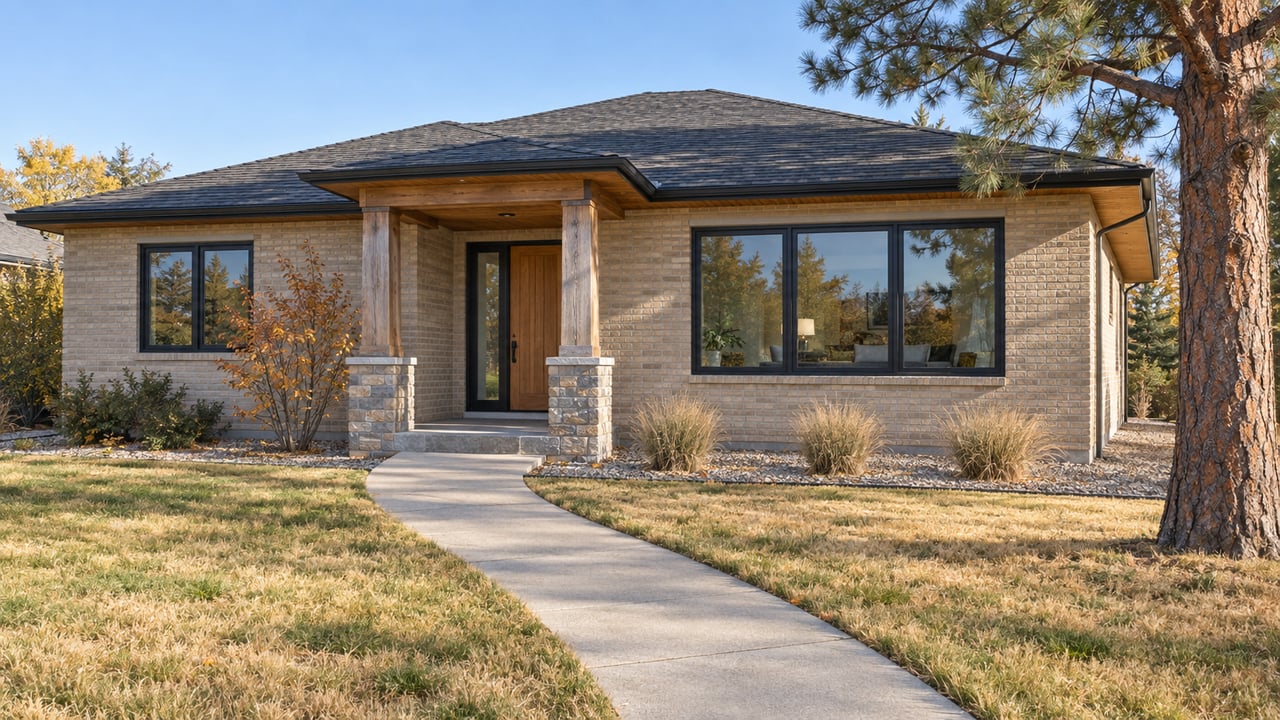
These homes are typically single story with rectangular or L-shaped footprints, overhanging eaves, minimal front porches, and rear patios or backyards. If you want fewer stairs, simpler circulation, and a classic mid-century suburban layout, this is one of the most recognizable fits in Westminster.
Attached Homes and Townhomes
Attached housing is an important part of Westminster’s housing mix, not an afterthought. The city’s design standards specifically address single-family attached projects like townhomes, duplexes, and condos, with goals tied to design variety, quality appearance, and sustainable site design.
For you, this usually means more choices if you want a home that may offer less exterior upkeep than a detached property. In many cases, attached homes also reflect a tradeoff between private yard space and simpler maintenance.
Mixed-Use and Urban-Style Housing
If you prefer a more walkable or urban-style setting, Westminster also has newer mixed-use residential options. The city’s Downtown Specific Plan and Westminster Station Area Specific Plan both support residential uses alongside office, retail, civic spaces, parks, and public gathering areas.
In these areas, you may come across townhomes, lofts, live/work spaces, and multifamily housing. These homes can appeal to buyers who value transit access, a connected street grid, and a more active neighborhood setting.
Newer Planned Communities
For buyers who want newer development patterns, Uplands stands out as a newer residential community. The city’s planning for Uplands includes about 40 acres of parkland dedication across seven parcels, with a focus on trails, sidewalks, bicycle routes, natural areas, and community open space.
That creates a different feel from Westminster’s older neighborhoods. If your daily lifestyle includes walking, biking, or easy park access, newer planned areas may deserve a close look.
Neighborhood Patterns to Know
Historic Westminster
Historic Westminster offers one of the city’s older neighborhood settings. The city describes it as a pedestrian-friendly area with historic charm and neighborhood businesses, with the original core near 72nd Avenue and Lowell Boulevard.
This part of Westminster reflects the city’s earlier fabric, including landmarks like the Harris House area and the Rodeo Market building. If you enjoy older streetscapes and a more established neighborhood pattern, this area may feel especially appealing.
Harris Park and Appleblossom
Harris Park and Appleblossom are tied to Westminster’s older residential fabric as well. The city has also noted infrastructure work in these areas, including recently repaved streets in Appleblossom and rail quiet zone efforts nearby.
That matters because neighborhood feel is not only about home style. Ongoing infrastructure investment can shape how an area functions day to day and how comfortable it feels over time.
Downtown Westminster and Westminster Station
If you want Westminster’s strongest walkable, mixed-use environment, Downtown Westminster and Westminster Station are the top places to understand. The downtown plan calls for a new street grid, active frontages, public spaces, and a blend of residential, retail, and office uses.
The station area is also designed around a five-minute walk to transit, with residential, townhomes, lofts, live/work, and multifamily uses. For buyers who want to stay connected to transit and daily conveniences, these locations can offer a very different experience from Westminster’s more traditional suburban pockets.
Established Suburban Areas
Westminster’s history materials connect areas such as Shaw Heights, Countryside, Kings Mill, Legacy Ridge, Orchard Town Center, and the U.S. 36 corridor to later growth and annexation. That broader development story helps explain why these areas often feel more suburban and are often compared by factors like housing age, lot size, and access.
For you, this means the neighborhood decision may come down less to one signature style and more to which combination of home size, lot configuration, and location works best for your routine.
Uplands and Open-Space-Oriented Living
Uplands is one of the clearest examples of newer planning with open-space connections in mind. The city’s plan emphasizes interconnected parks, natural areas, sidewalks, trails, and bicycle routes, while balancing active recreation and quieter open space.
That fits well with a bigger Westminster lifestyle pattern. The city highlights more than 120 miles of trails and over 3,700 acres of open space, including major routes like Big Dry Creek Trail, Farmers’ High Line Canal Trail, Little Dry Creek Trail, Rocky Mountain Greenway Trail, and the U.S. 36 Bikeway.
How to Compare Westminster Homes
Think About Floor Plan First
Before you focus on finishes, think about how you want to live every day. If you want fewer stairs and easier movement from room to room, Westminster’s ranch-era housing stock may be a strong match.
If you are open to attached living, you may find that a townhome or condo offers a different balance of space and upkeep. In Westminster, floor plan and maintenance are often linked, so it helps to weigh those together early in your search.
Consider Yard Size and Landscaping
Yard expectations can vary a lot by neighborhood and home type. Older detached homes may offer more private outdoor space, while attached or mixed-use homes may place less emphasis on yard size.
Westminster also actively supports water-wise landscaping. The city offers lawn replacement and waterwise yard programs, and it states that HOAs cannot require turf grass or prohibit xeriscape. That is useful to know if you want lower outdoor maintenance or a more water-conscious landscape plan.
Evaluate Commute and Mobility
Access is a major part of choosing the right Westminster neighborhood. The city highlights connections across the Denver-Boulder region through major highways, transit, trails, and airports.
RTD’s B Line connects Westminster Station to Union Station. Westminster Station is also listed as a rail station park-n-ride with 136 spaces and paid parking, and the city has four Park-n-Rides plus Flatiron Flyer stations along the U.S. 36 corridor. If your schedule depends on commuting flexibility, location near transit, U.S. 36, or a trail corridor can make a meaningful difference.
Check Older-Home Due Diligence
If you are considering an older home near a creek or drainage corridor, ask questions about floodplain status early. Westminster notes that newer homes are not allowed in floodplains, but some older homes near waterways were built before current rules.
That can affect insurance planning and renovation decisions. It does not mean a home is automatically a bad fit, but it does mean you should understand the property clearly before moving forward.
What This Means for Buyers
The big takeaway is simple: Westminster is best understood through its housing eras and neighborhood patterns. You are not choosing from one broad citywide style. You are choosing among older historic pockets, postwar ranch neighborhoods, established suburban areas, transit-oriented infill, and newer planned communities.
That is why a focused home search matters here. When you match your priorities around floor plan, yard space, maintenance, and commute access to the right part of Westminster, the market starts to feel much easier to navigate.
If you are exploring Westminster and want practical guidance on comparing condos, townhomes, single-family homes, or newer construction, Johnny Lee can help you sort through the options and build a strategy that fits your goals.
FAQs
What home styles are most common in Westminster, CO?
- Westminster includes a mix of single-family detached homes, attached townhomes and condos, postwar ranch homes, mixed-use residential options, and newer planned-community housing.
What are ranch homes like in Westminster, Colorado?
- Westminster’s postwar ranch homes are often single story with rectangular or L-shaped layouts, overhanging eaves, minimal front porches, and rear patios or backyards.
What areas of Westminster offer a more walkable feel?
- Downtown Westminster, Westminster Station, and Historic Westminster are the clearest areas associated with pedestrian-friendly or mixed-use development patterns in the city materials.
What should buyers compare when choosing a Westminster neighborhood?
- Buyers should compare floor plan, maintenance needs, yard size, landscaping preferences, commute access, transit proximity, and whether an older property may need added floodplain due diligence.
Does Westminster have newer communities with trails and parks?
- Yes. Uplands is a newer residential community planned around interconnected parks, trails, sidewalks, bicycle routes, and natural open-space features.
Is Westminster a good place to find attached homes or townhomes?
- Westminster has an established mix of attached housing, and the city’s design standards specifically address townhomes, duplexes, and condos as part of its planned housing types.